
Silent Wings, Watchful Eyes: The Enduring Mystique of the Owl
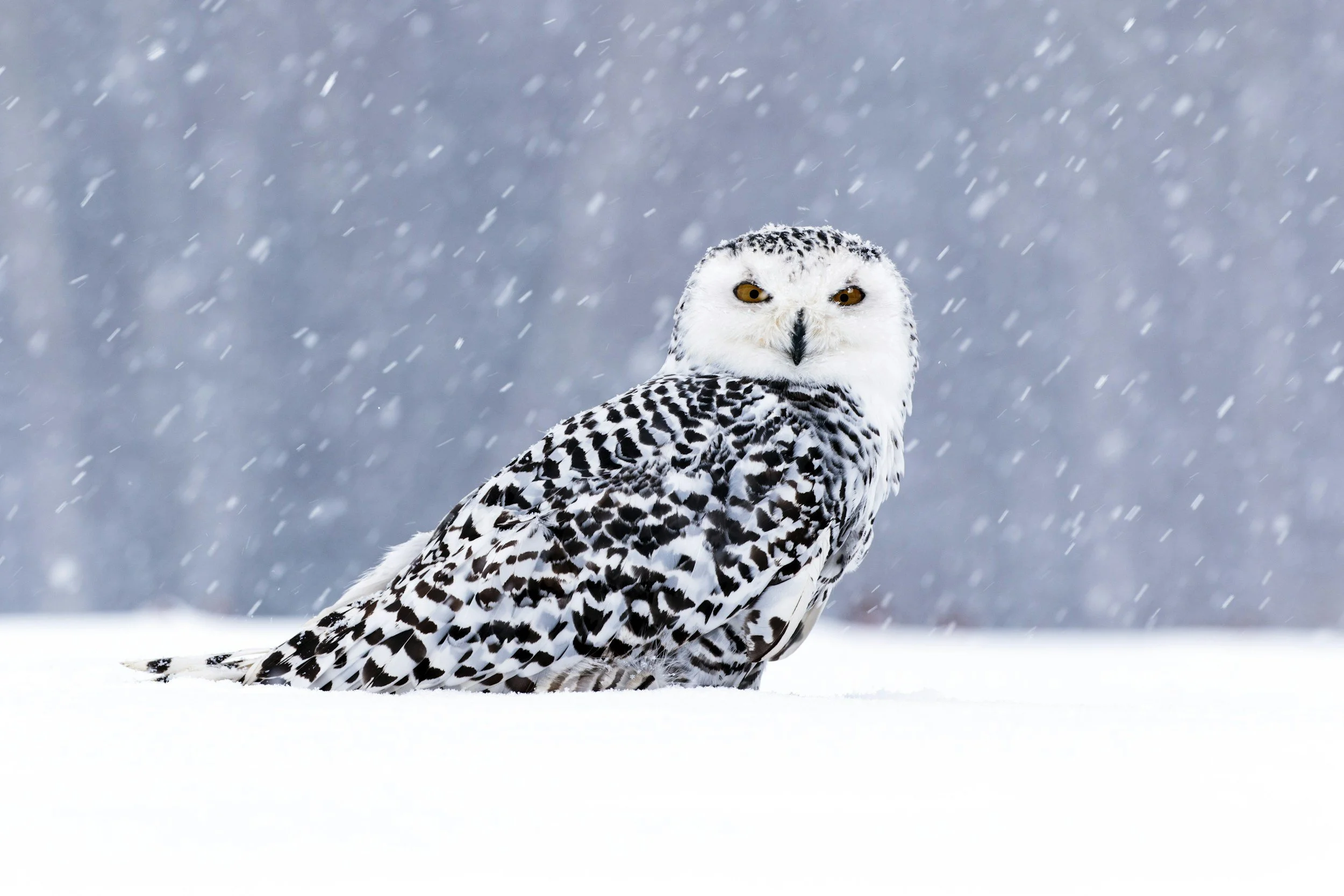
When the world grows quiet and the light begins to fade, the owl awakens.
There is something unforgettable about seeing one—wings moving without sound, eyes glowing like lanterns in the dark. For thousands of years, humans have paused at that moment, sensing that the owl carries more than feathers and bone. It carries meaning.
Across time and cultures, the owl has been cast as a guardian of wisdom, a keeper of secrets, and a guide through the unseen. The reason is simple and enduring: the owl sees what others cannot.
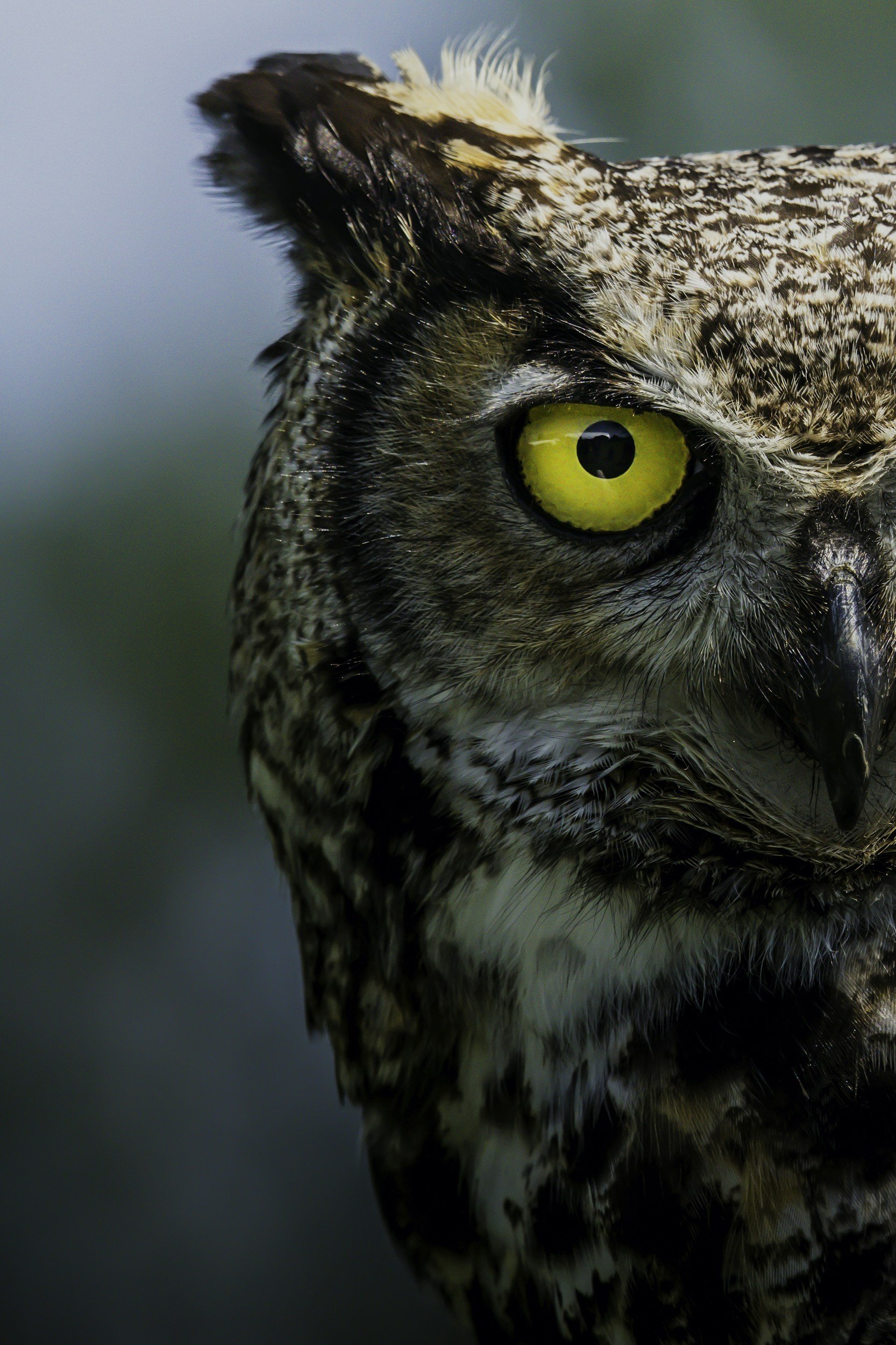
In ancient stories, wisdom was never loud. It watched from the edges, waited patiently, and understood what lay beneath appearances. Owls embody this idea effortlessly. With their forward-facing eyes and extraordinary night vision, they navigate darkness with clarity. Where others are blind, they are certain.
It’s no wonder the ancient Greeks placed the owl beside Athena, goddess of wisdom and strategy. On coins and carvings, the owl stood for clear thinking, discernment, and the power of seeing truth when others see only shadow. Even now, when we picture knowledge or learning, the owl often appears—quiet, observant, and alert.
But wisdom is only part of the story.
Because owls belong to the night, they have always been linked to mystery. While most creatures sleep, the owl listens. It hears the faintest movement, senses what stirs beneath the surface, and moves through darkness with confidence rather than fear.
In this way, the owl has become a symbol of intuition—the voice we hear when logic falls silent. It reminds us that not all knowing comes from facts and explanations. Some truths are felt. Some answers arrive as quiet certainty. The owl teaches us to trust what we sense, even when we can’t yet explain it.
Owls also stand at thresholds.
They glide between night and dawn, between what was and what will be. Because of this, many cultures have seen them as symbols of transformation. Their presence often coincides with endings, awakenings, and moments when illusions fall away.
Yet the owl does not announce change with chaos. It arrives softly. A shadow passes overhead. Wings brush the air. Transformation, the owl reminds us, does not always shout. Sometimes it whispers.
Around the world, humans have woven their own meanings into the owl’s silhouette. Some cultures honored it as a protector. Others approached it with caution and respect. In some traditions, it guarded sacred knowledge; in others, it warned of unseen forces. These stories reveal less about the owl itself and more about humanity’s relationship with the unknown.
In truth, the owl is neither omen nor myth. It is observant, precise, and essential—playing a vital role in maintaining balance in nature. By quietly controlling rodent populations, owls protect crops and ecosystems alike. They work without spectacle, reinforcing why they symbolize wisdom rather than dominance.
Perhaps this is why encounters with owls feel so meaningful.
They are elusive creatures. When one appears—especially during moments of reflection or transition—it feels personal, as though the night itself has paused to deliver a message. Many interpret these sightings as reminders to slow down, to look more closely, to listen more carefully.
Not everything important announces itself.
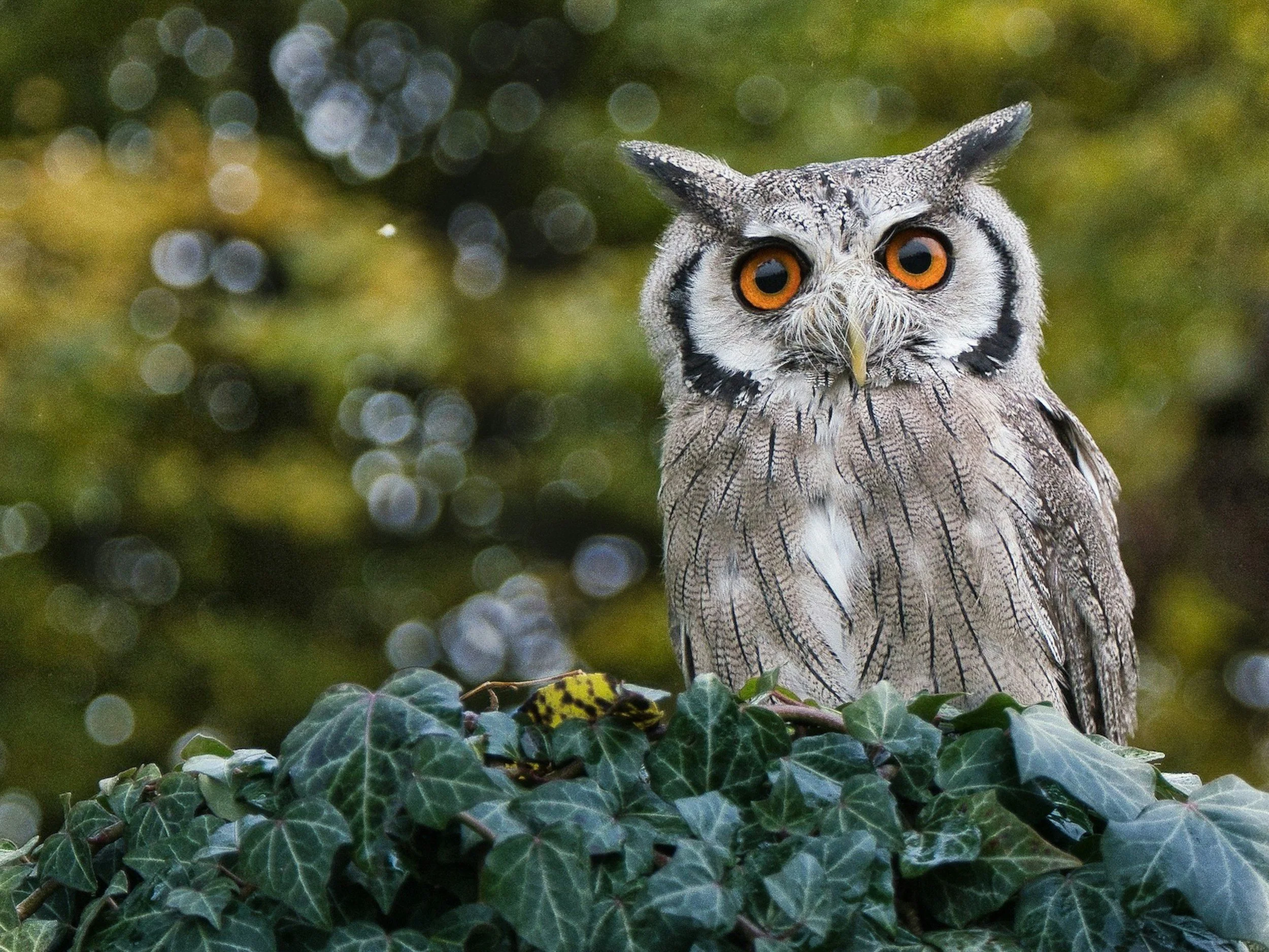
The owl does not rush.
It waits.
It watches.
It acts only when the moment is right.
And in doing so, it offers a quiet lesson:
Wisdom is born in stillness.
Truth reveals itself to the patient.
Darkness is not something to fear—it is something to understand.
Whether seen as a symbol or simply admired as one of nature’s most remarkable creatures, the owl invites us to move through life with awareness, intuition, and calm confidence—seeing clearly, even in the dark.