
Where the Wild Still Grows: Bill Ailor and the Enduring Legacy of the PV Land Conservancy By Writer and Contributor Emily McGinn
Images Courtesy of PVPLC
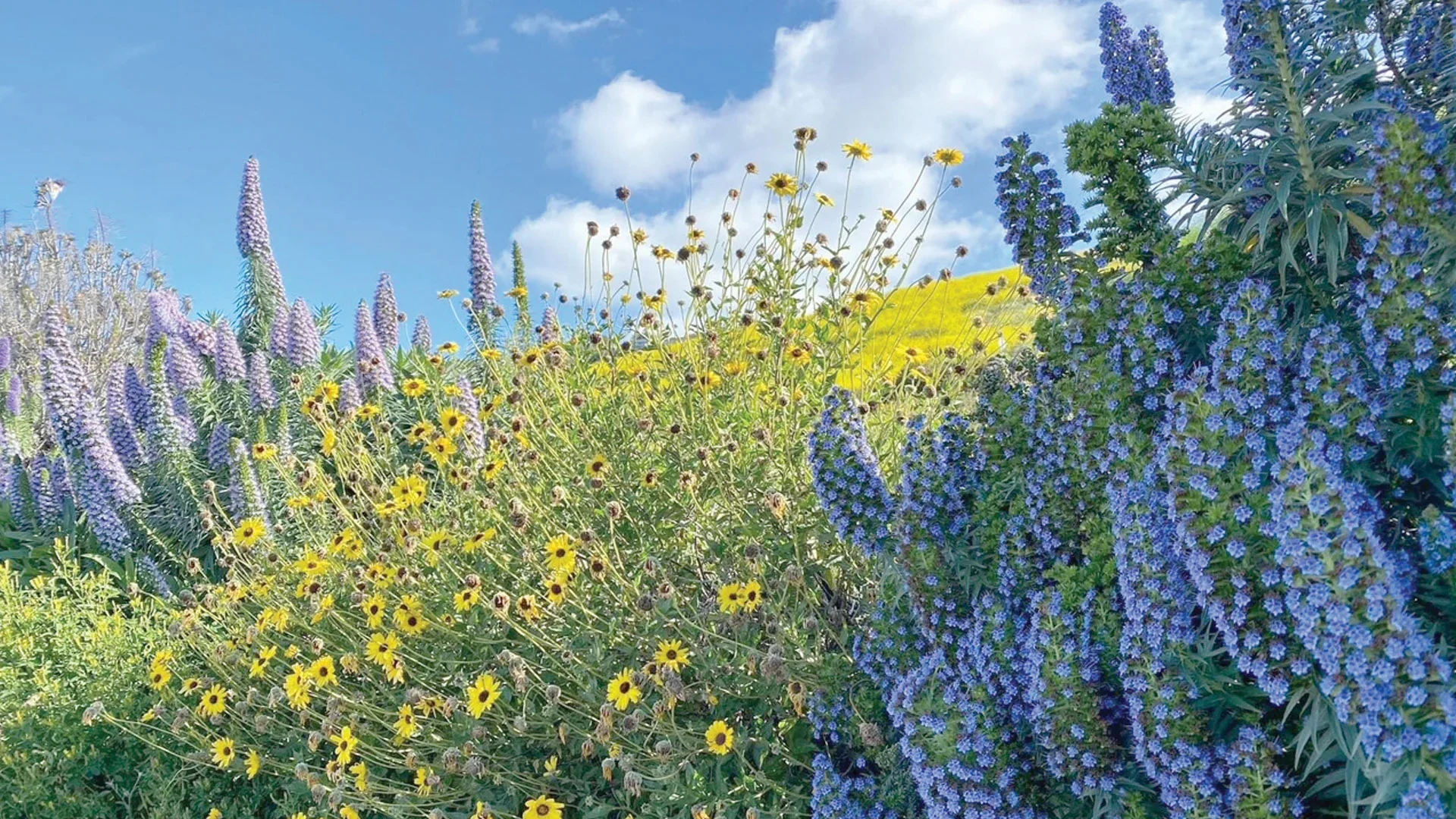
Nowadays, the Palos Verdes Peninsula Land Conservancy (PVPLC) is an established local organization known for its preservation and restoration efforts, now overseeing 1,700 acres of natural land across the Peninsula. However, the organization started with just 11 concerned residents in a meeting in 1988 on a mission to keep the open spaces of the Peninsula alive.
Bill Ailor has been an active community member of the Palos Verdes Peninsula since 1974, when he and his wife moved to the community for his job at The Aerospace Corporation. Ailor became a member of the Rolling Hills Estates Planning Commission and during his eight years on the commission, he began to detect a growing problem in the area: the potential loss of the open space that sets the Peninsula apart from more crowded communities. Community members began to recognize that it was an issue, but there was no clear path to protecting the land.
Ailor began to search for options to address the issue and came across San Francisco-based Trust for Public Land. He connected with a member of that organization and learned about the possibility of making deals with landowners to preserve local land. He began to envision a similar organization taking shape on the Palos Verdes Peninsula.
Ailor’s vision led to the launch of the PVPLC, a nonprofit dedicated to preserving local land in the region, in 1988. He went on to serve as the organization’s president for 18 years.

“I was trying to get somebody to take over the presidency much before that time, but nobody had ‘the fire in the belly’ that I did, so they wouldn't take it,” Ailor jokes. “There was a fair amount of politics involved, as you might guess. Eventually I found somebody after 18 years who would take it and now we've revised our plans so that the president gets replaced every two years.”
In those early years of the PVPLC, Ailor and his team encountered plenty of obstacles. Money, of course, was an issue, as they had to raise funds to acquire land. They also had to convince landowners that it was worth their while to make a deal with the conservancy, and they had to navigate the local politics of the various cities involved on the Peninsula.
Their first major land acquisition came in 1992, when the E.K. Zuckerman family donated the 20-acre Lunada Canyon to the conservancy. Their inaugural land acquisition kickstarted the growth of the organization.
“I think after that, it opened the door, and we were able to raise funds from the state and this county and the federal government, from funds that are available for that sort of thing,” Ailor says.
In 1994, the conservancy scored another win with a complicated deal that secured the acquisition of the Chandler Land Trust. The deal involved navigating relationships with eight landowners from the Chandler family, as well as collaboration with the city of Rolling Hills Estates.
“We had some very clever people involved who knew how to deal with landowners,” Ailor says. “They spoke that language, and so we were able to work with them to craft some deals that they liked.”
Over the subsequent years, other victories rolled in, including the 1995 launch of the PVPLC’s education efforts that instructed locals about natural areas, as well as a 25-year agreement with the City of Los Angeles to manage the White Point Nature Preserve in 2000.
Ailor says that one of the strengths of the PVPLC was its ability to maintain a non-political, non-confrontational approach to preservation.
“There were times when people were pressuring us to do various things that were not consistent with our mission, so we didn't do them,” Ailor says. “I think that was really important. I think it's important to stay true [to your mission], make sure you define what you want to do, set your principles and make sure that you stay with them.”
Ailor and his team would often work alongside city officials, carefully avoiding choosing sides in elections and staying true to their goal to preserve the natural areas of Palos Verdes.
“We didn't support particular elected officials. We were not involved in politics at all,” Ailor says. “I'm very proud that we have stayed that way because there was a lot of pressure early on to get involved and we only had one board member that I had to excuse because he wanted to be more involved in politics than I thought was good. You have to have the trust of your community and the various entities you want to work with. Now we're known statewide as a good, responsible organization.”

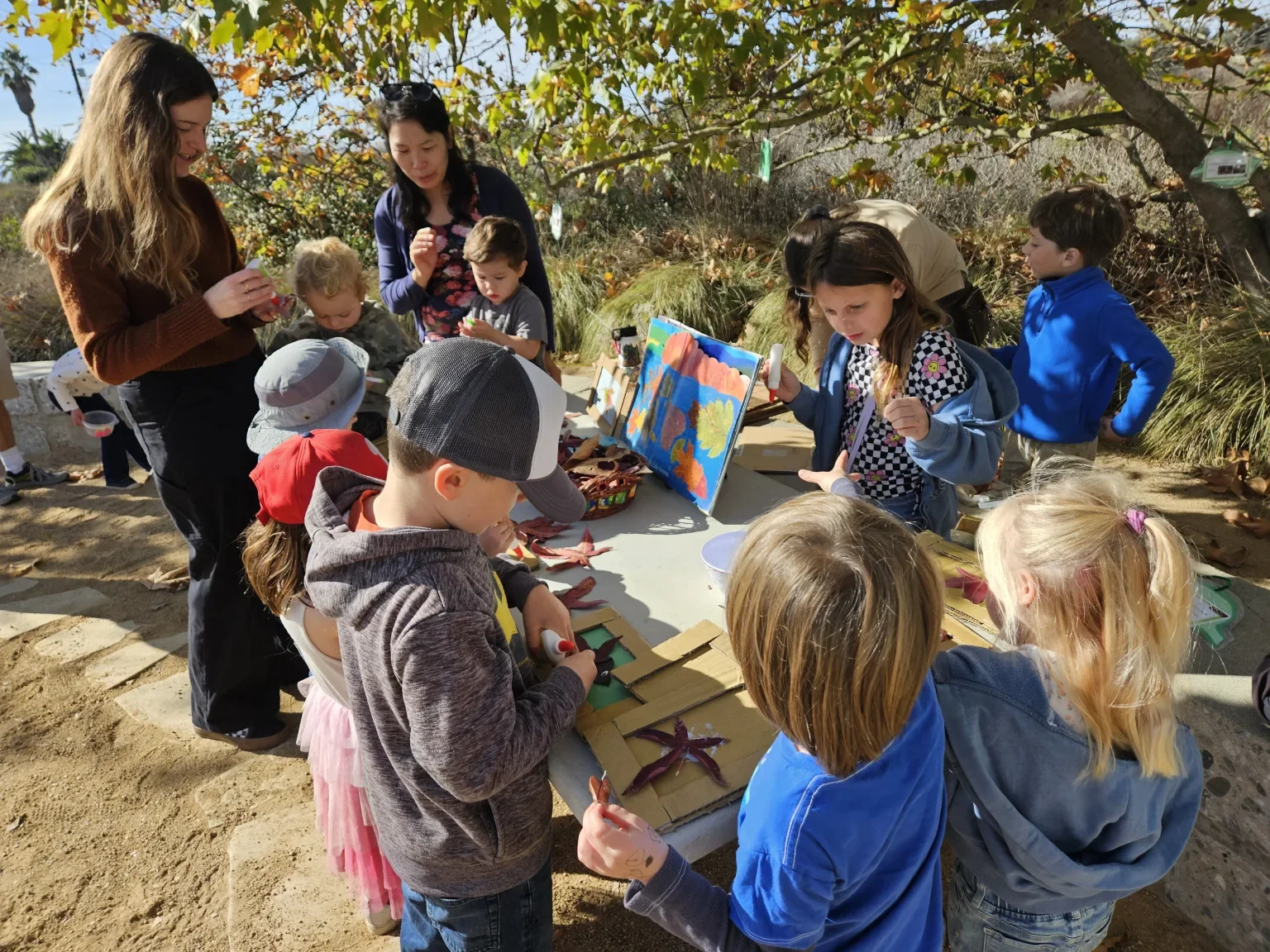
Now that the PVPLC is thoroughly established on the Hill and manages many acres of land, some of their focus has shifted to restoration efforts rather than acquisition. Though land acquisition is still part of the future of the conservancy, they have acquired many of the pieces of land they were hoping to preserve from the outset. Now, education and stewardship are at the forefront of what they do. They are instructing youth about the natural environment and valuable native species such as the Palos Verdes blue butterfly so they can pass on the work of the PVPLC to the next generation.
“We have kids and volunteers going out and planting plants and just returning the areas that we've acquired back to their native state,” Ailor says. “I think that's a wonderful thing. What my wife and I liked when we came here was that we could walk in these areas and it would be peaceful and quiet. There are butterflies and birds, and you could go to the top of the Hill and look north and see Los Angeles with 14 million people and street noise and so forth. So having a place that's quiet and has nice wildlife and plants is just a real treasure.”

Emily McGinn is a journalist based in the Los Angeles area. She enjoys reporting on and writing about a variety of topics from lifestyle to news, especially in her areas of specialty, environmental science and political science.