
Stephanie Daniela Shares The Inside Scoop On Life as a Ballroom Dancer By Writer and Contributor Emily McGinn
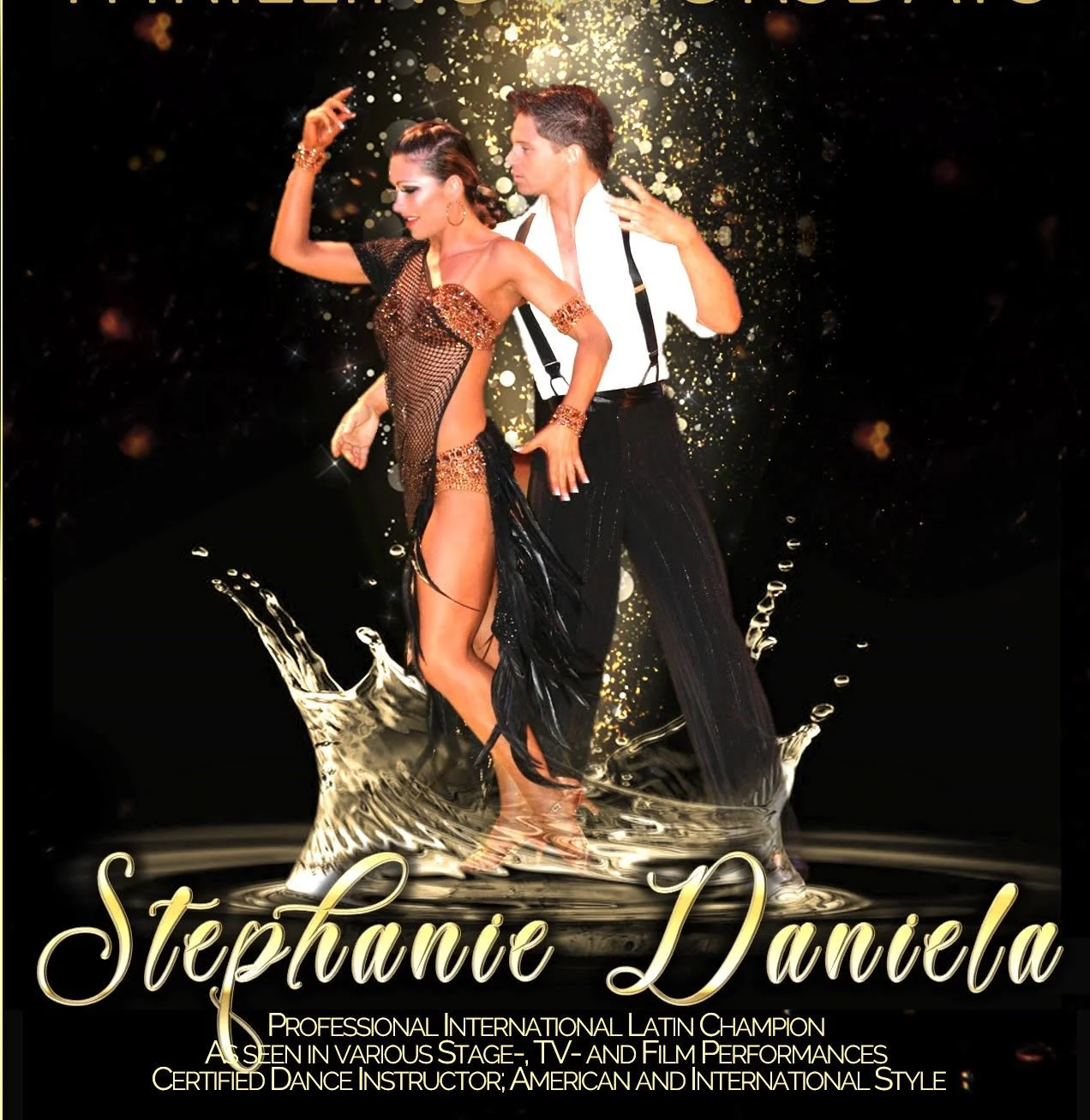
When Stephanie Daniela was young, she had no interest in becoming a dancer at all. Instead, she loved judo, and she took classes in the martial art when growing up in Germany. However, when she moved to a new town where judo was not an option, she decided to give ballroom dancing a try.
Even then, it was not love at first sight for Stephanie. However, slowly she began to realize similarities between martial arts and partner dancing.
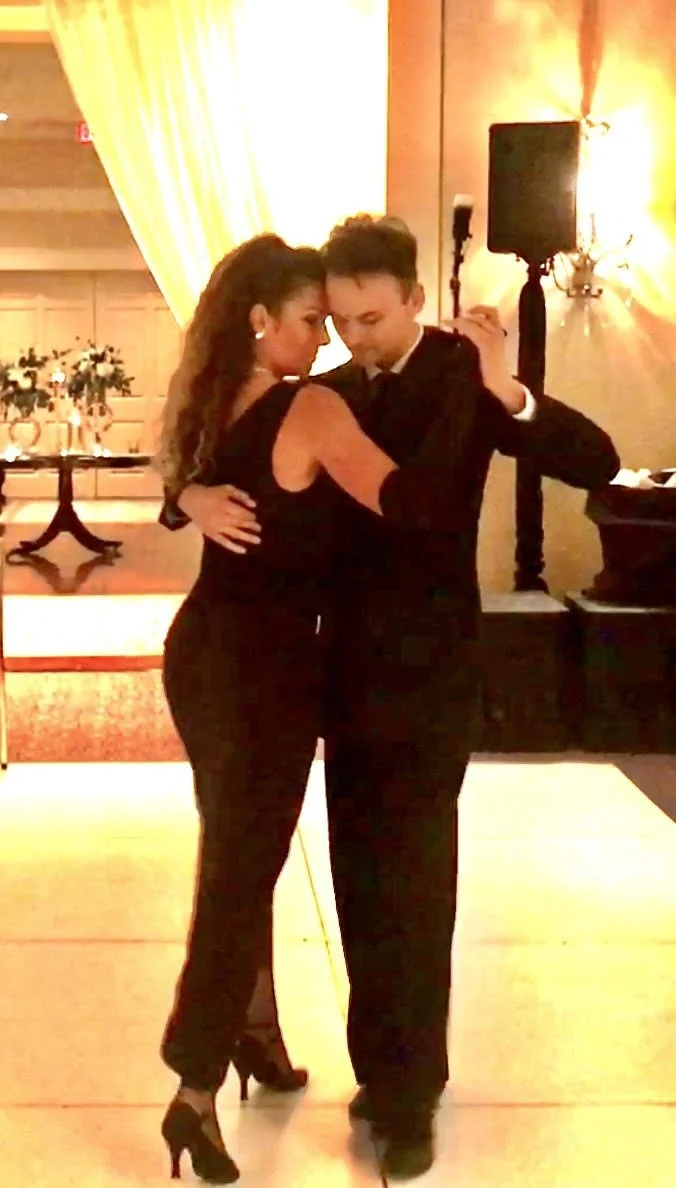
“The interaction and awareness of one's own body and the other person's body, along with dynamics and movement principles, [were similar],” she says. “This piqued my curiosity as a young athlete. But what made me truly fall in love with dancing was the music, and more specifically, the movement to music and the dynamics between two moving bodies. It sparked a lifelong flame and passion inside of me, which ultimately led me to where I am today.”
These early moments in class have led to a professional ballroom dancing career for Stephanie, spanning both Europe and the U.S. She has participated in the prestigious Ohio Star Ball — one of the largest ballroom dance competitions in the U.S. — and the Blackpool Dance Festival — an over-100-year-old international dance competition held in England known as the most famous annual ballroom dancing competition in the world.
Stephanie has received opportunities on big stages, especially when living in New York City and Los Angeles. She danced in the bright lights of New York City at the exclusive Rainbow Room at Rockefeller Center and has danced, choreographed and consulted for film projects in Los Angeles. She has even been contacted by “Dancing with the Stars,” though she declined participation because she was in the midst of her own competition season.

Though she has lived plenty of big show biz moments, Stephanie has had to weather the strenuous life of a professional dancer. As a woman in the competitive ballroom dancing industry, it is even more challenging as there are too many women to match the number of men in the business. To retain a partner, women have to outcompete each other. Maintaining a dance partnership can even require moving across the country — or the world.
“Being a professional dancer is not for the faint of heart,” Stephanie says. “Behind all the glitz and glamor is a life of endless discipline, very hard work, lots of sacrifices, many missed friend- and family gatherings and milestones and a 24/7 commitment to it. It requires and demands all of you. The higher you climb, the tougher the competition.”
These challenges are compounded by day-to-day obstacles. Dancers are athletes, meaning they are subject to injury, which can be exacerbated when one is required to wear 3-inch heels for every practice. On top of that, ballroom dancing is expensive. Coaching, costumes, shoes, massages, care, physical therapy, travel and entry fees all contribute to the expenses. Only those who make it to the final level of a dance competition receive prize money — otherwise, a dancer walks away without any money for her effort.
However, for Stephanie, dance has played a major role in guiding the trajectory of her life.
“Many dancers quit along the way,” Stephanie says. “But as hard as it can be, ultimately it is also very rewarding and I am truly grateful for all the experiences and opportunities that were only possible due to my dedication to dance. Dancing made me move from my home country Germany to the U.S., specifically to New York City, and then to Los Angeles. I've made many memories and met many wonderful people along the way.”
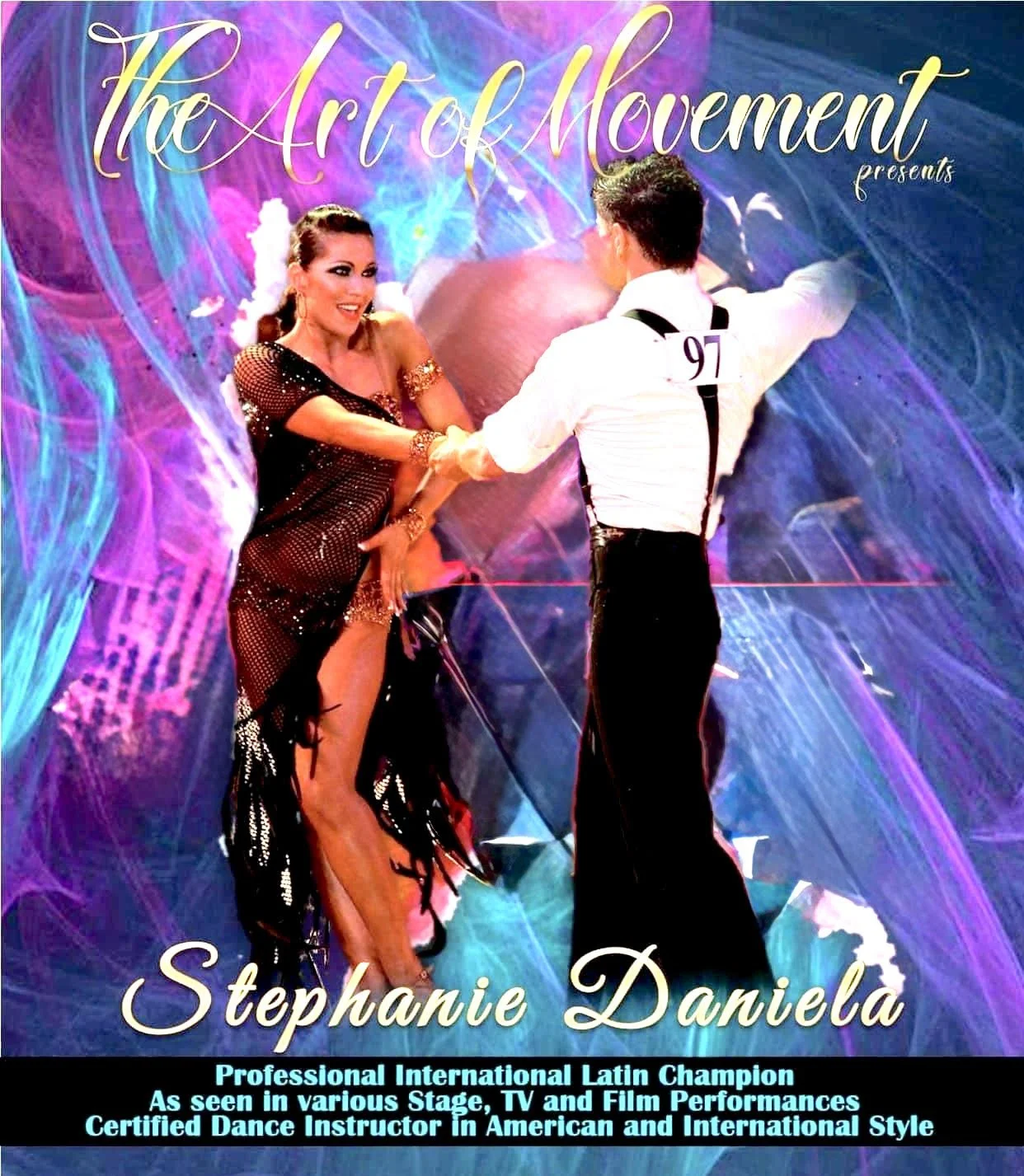
In addition to dancing professionally, Stephanie has a career as a dance teacher. She runs her own dance classes known as The Art of Movement, which she founded in 2007 in New York City. The brand is versatile, focusing on movement rather than only dance. She funnels her training in movement principles, applied physics, fitness instruction, sports conditioning and personal training into her instruction, creating classes that can appeal to dancers, martial artists, athletes and even everyday people.
In addition to her accomplishments on the dance floor, Stephanie has received recognition for her teaching skills, receiving recognition as the top female teacher in the New England Region and Tri-State area multiple times.
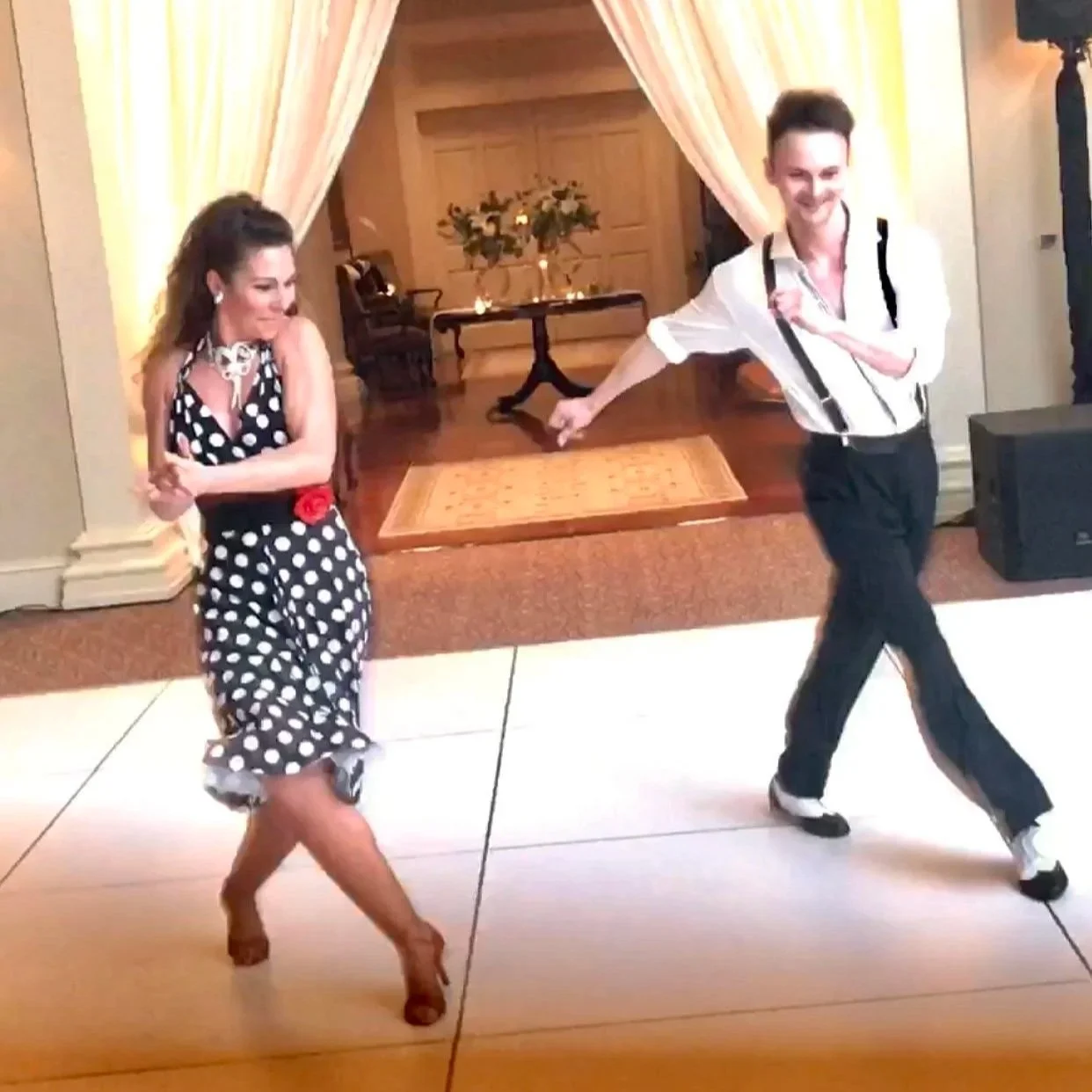
“Once I started teaching, I realized that I loved teaching more than anything else,” she says. “Throughout my life, I had a couple of amazing mentors and teachers myself, not only in dance, but also in school and beyond. I had the best and most talented school teacher one could ever wish for. I have this deep passion for sharing my knowledge and joy of dance and movement, and to hopefully positively enhance other people's lives with it, too. I love seeing the transformations of my students, and I am so proud of all their dedication, efforts and trust in me.”
Stephanie views teaching as a way to share a passion of hers with others and bring dance to a wider audience, as it was intended to be shared. She references a quotation from Alvin Ailey: “Dance comes from the people, and is for the people.” Stephanie describes ballroom dancing as “a journey through time and space" — it finds origins in a variety of eras and places from around the world.
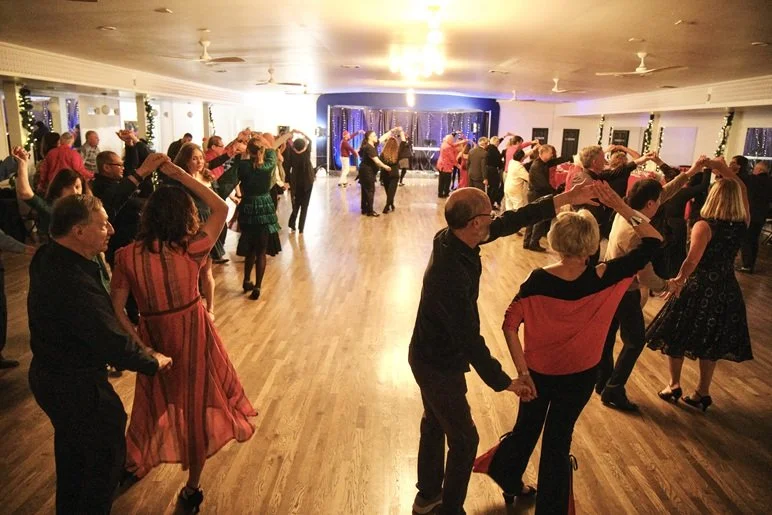
“Dance and movement is the oldest form of all human communication — way older than the spoken word. It is an activity that is for people of all ages and all demographics,” she says. “It is something communal and social that should be accessible for everybody. It is a universal language that is deeply rooted in human history and development — a language for expression, connection and cultural celebration. Dance is not something that is supposed to be exclusive and limited to only a privileged few.”
Stephanie believes that ballroom dancing can be learned by anyone at any age at any time. It allows for variation — people do not have to use it to compete, but can do it just because they love it, or as a social activity or a form of exercise.
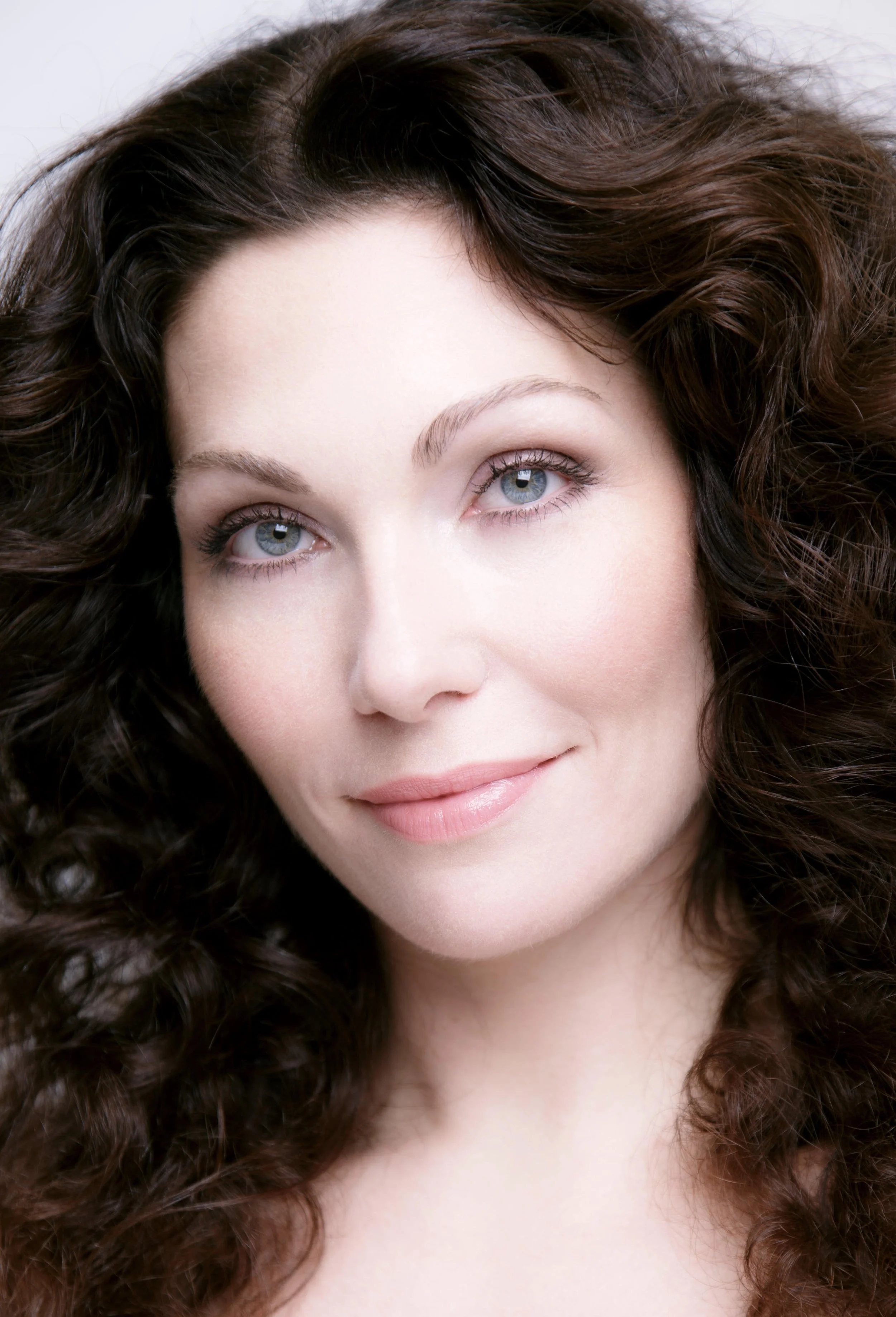
“I personally think that ballroom dancing is ‘world's best kept secret,’” Stephanie says. “And I'm here to tell everyone about it and to make it more accessible for everybody.”
Those interested in Stephanie’s work can check out The Art of Movement or her Instagram page. They can also reach out with inquiries at 203-543-9610.
“Couples dancing is a lot like life. It's all about communication, connection, being a good team player, giving and receiving constructive feedback, never stopping to be curious and playful and improving oneself for the betterment of oneself and therefore for our surroundings as well,” she says. “And last but not least, [it teaches us] to not only chase the next goals and deadlines, but to truly enjoy the journey and to be more present in the moment.”

Emily McGinn is a journalist based in the Los Angeles area. She enjoys reporting on and writing about a variety of topics from lifestyle to news, especially in her areas of specialty, environmental science and political science.