
Craft Wineries: A Guide to Local Favorites and Hidden Gems
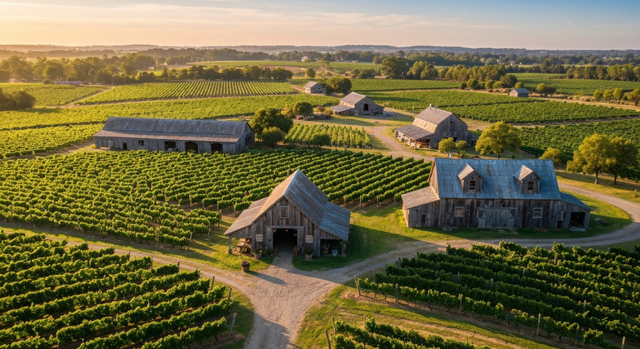
Have you ever wondered what makes a bottle of craft wine so special? Unlike bottles you see everywhere, craft wine comes from independent producers who pour their passion into every step of the winemaking process. It’s a movement that prioritizes quality, uniqueness, and flavor exploration over mass production. The craft wine industry is all about celebrating small-batch, artisanal wines that tell a story. Ready to explore a world beyond the usual and discover what happens when winemaking becomes a true art form?
Discover Local Favorites and Hidden Gems: Top Craft Wineries in the United States
The United States is home to a thriving craft wine scene, with countless independent winemakers creating exceptional products from coast to coast. While California often steals the spotlight, amazing wineries and beautiful vineyards can be found in unexpected places, each offering a unique taste of their local region. Attending wine festivals is a great way to discover these hidden treasures.
From boutique estates in well-known valleys to innovative urban wineries in bustling cities, there’s a world of craft wine waiting for you. Let's take a tour of some standout regions and learn what makes their local favorites and hidden gems worth seeking out.
Napa Valley’s Boutique Estates: Small-Batch Excellence
Napa Valley is world-famous for its wine, but beyond the grand, well-known estates lies a vibrant community of boutique producers focused on small-batch excellence. These craft winemakers are dedicated to expressing the unique character of their specific vineyards, often with an intense focus on a single grape variety.
Instead of producing large quantities, these wineries pour their energy into creating limited-run craft wine that showcases their passion and skill. Here, you'll find winemakers experimenting with techniques to create truly memorable wines, especially the region's iconic Cabernet. One critic from the New York Times even described a California Cabernet as "America's greatest."
Visiting these smaller estates offers a more personal experience, where you can often meet the winemakers themselves and hear the story behind each bottle. It’s an opportunity to taste the heart and soul of Napa Valley, one exceptional glass at a time.
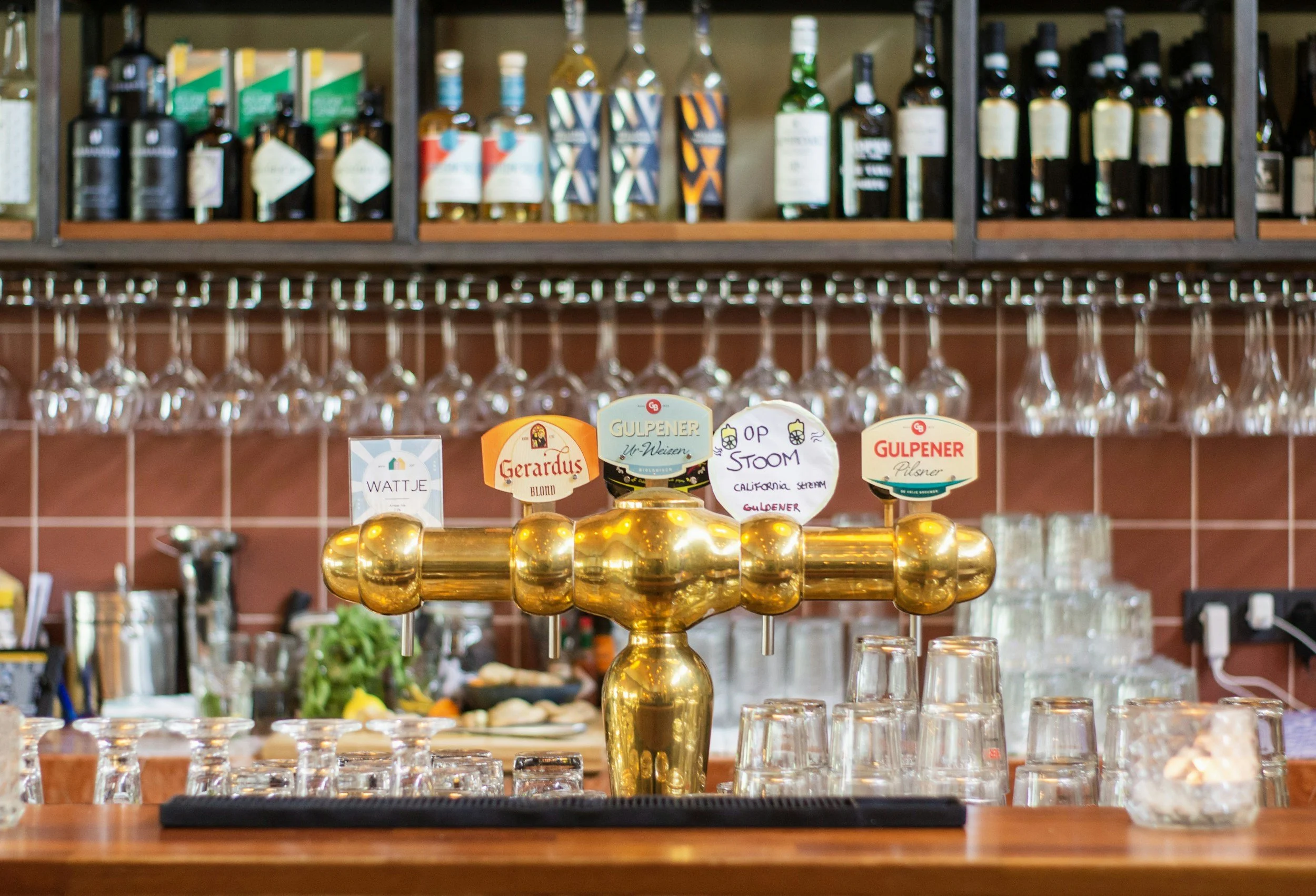
Sonoma County Hidden Breweries and Distilleries with Winery Roots
Just next door to Napa, Sonoma County offers a more rustic and diverse landscape for wine lovers. The region is known for its family-run wineries, some of which have been farming the land for over a century. These establishments are the backbone of the area's craft wine scene, producing distinctive, hand-crafted wines from award-winning vineyards.
What makes Sonoma County particularly interesting is the creative spirit that permeates its entire craft beverage industry. It's not uncommon to find hidden breweries and distilleries that share roots with or draw inspiration from the local wineries. This crossover reflects a broader trend of artisanal creation, where the lines between different types of craft beverages begin to blur.
This environment fosters innovation, leading to unique tasting experiences that go beyond traditional wine. Whether you're visiting a historic family winery or a newer establishment pushing boundaries, Sonoma provides a rich tapestry of flavors to explore.
Los Angeles Urban Craft Wineries You Shouldn’t Miss
You don't always need to travel to sprawling vineyards to experience great wine. The urban winery movement is bringing the craft to the city, and Los Angeles is a fantastic example of this trend. These craft wineries source grapes from top vineyards across California and the United States, then handle the entire winemaking process in facilities located right in the heart of the city.
This unique model allows city dwellers to engage with winemaking in a new way. You can visit a tasting room after work, meet the vintners, and learn about their process without planning a full-day trip. From Los Angeles to San Diego, these urban hubs are making craft wine more accessible than ever.
These producers are often experimental, offering unique blends and varietals you might not find elsewhere. They are a testament to the fact that a passion for winemaking can flourish anywhere, even in the middle of a bustling metropolis.
What Sets Craft Wineries Apart from Large Commercial Wineries
What is the real difference between a craft wine and a commercial wine you see in every store? The distinction goes far beyond the label. It’s rooted in the scale, philosophy, and intention behind the entire winemaking process. A certified craft wine is officially defined as one produced in lots of 5,000 cases or fewer annually.
This small-scale approach shapes every decision, from the vineyard to the bottle. Below, we’ll explore how artisanal techniques and a commitment to sustainability truly set these passionate producers apart from their larger counterparts.
Small-Scale Production and Artisanal Techniques
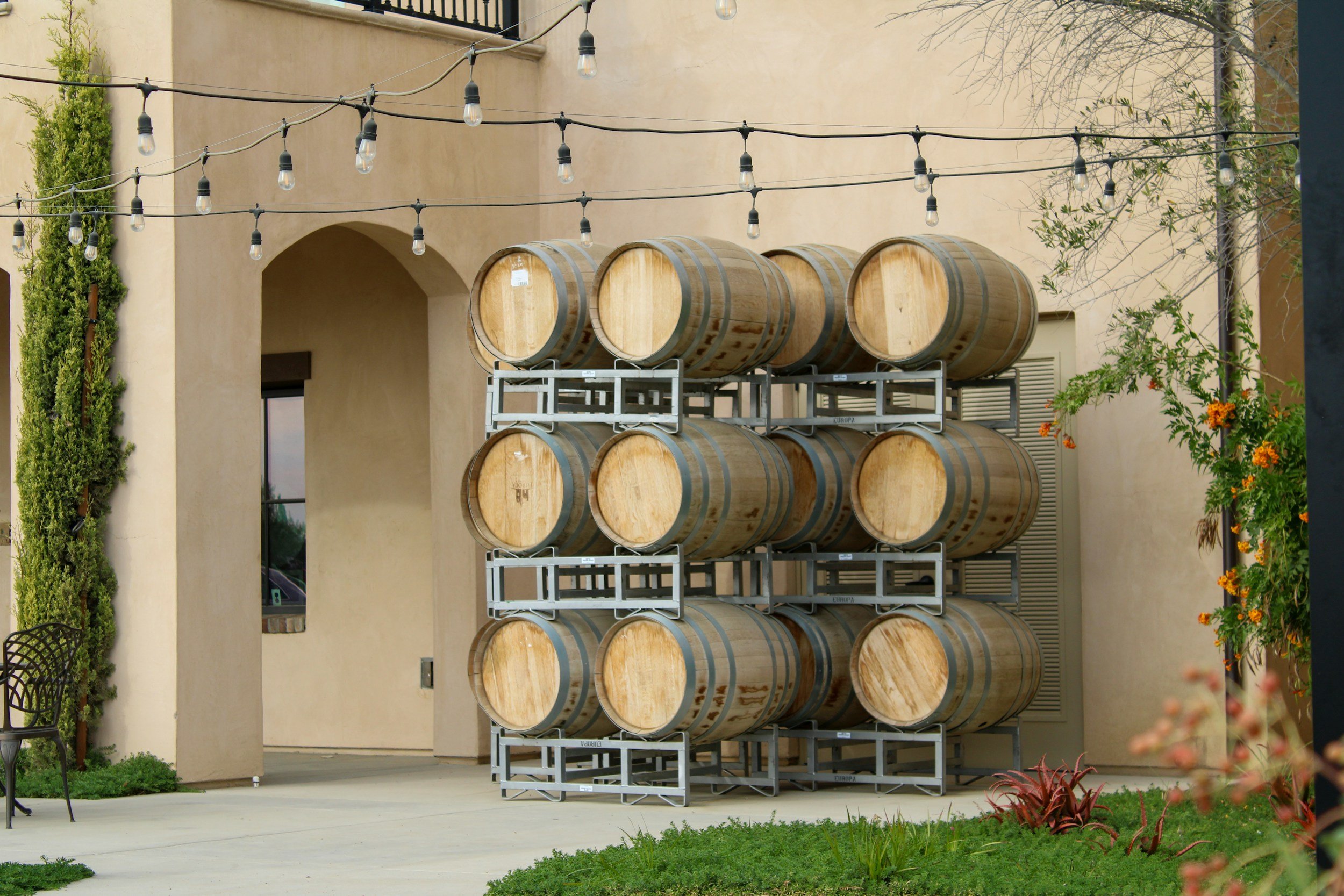
One of the defining features of craft wineries is their commitment to small-scale production. By making wine in smaller batches, winemakers can pay closer attention to every detail of the winemaking process. This hands-on approach often involves artisanal techniques that are simply not feasible for producers making wine in large quantities.
From hand-harvesting grapes to using traditional fermentation methods, these practices allow for greater control and creativity. Unlike mass-market wines where automation ensures every bottle tastes the same, craft wines often have slight variations from batch to batch. This uniqueness is celebrated as a reflection of the specific growing season and the winemaker's touch.
This focus on craft over quantity results in a product that is expressive and distinctive. The table below highlights some key differences in approach.
| Feature | Craft Wineries | Commercial Wineries |
|---|---|---|
| Production Size | Limited, typically under 5,000 cases per year. | Mass-produced in hundreds of thousands of cases. |
| Process | Hands-on, artisanal techniques, and manual labor. | Highly automated and standardized for consistency. |
| Consistency | Varies between batches, offering a unique character. | Delivers the same taste profile in every bottle. |
| Focus | Expressing the unique qualities of the grapes and land. | Achieving widespread availability and lower pricing. |
Unique Sourcing of Local Ingredients and Sustainability Practices
Craft wineries often build their identity around a deep connection to their local environment. Many prioritize sourcing grapes from their own estate vineyards or from trusted local growers. This allows them to have greater control over the quality of their primary local ingredients and ensures the fruit perfectly suits their winemaking style.
This focus on local sourcing is frequently paired with a strong commitment to sustainability. Many craft producers employ sustainable, organic, or biodynamic farming practices in their vineyards. These methods are better for the environment, promote healthier soil and vines, and can lead to higher-quality grapes, all of which are central to their winemaking philosophy.

In contrast, larger brands may source grapes from vast, disparate regions to meet their production demands, making it harder to implement uniform sustainability practices. By choosing craft wine, you are often supporting a more ethical and environmentally conscious approach to winemaking that values the health of the land for generations to come.
The Final Sip
Exploring craft wineries offers a delightful journey through unique flavors and local traditions. These small-scale producers not only highlight the artistry of winemaking but also contribute significantly to their communities and the economy. From the boutique estates of Napa Valley to the hidden gems of Oregon's Willamette Valley, each winery tells its own story through the wines it creates. As you venture into the world of craft wineries, you’ll discover not just exceptional wines but also the passion and dedication behind every bottle. For those looking to personalize their wine experience further, don't miss the chance to visit one of these local favorites and create your own custom blend. Cheers to discovering new tastes and supporting local artisans!
About the Author: John Krause is wine enthusiast and the founder of the website California Corks, a directory of California wineries.
