
Falcons in Flight: Symbols of Precision, Power, and Purpose
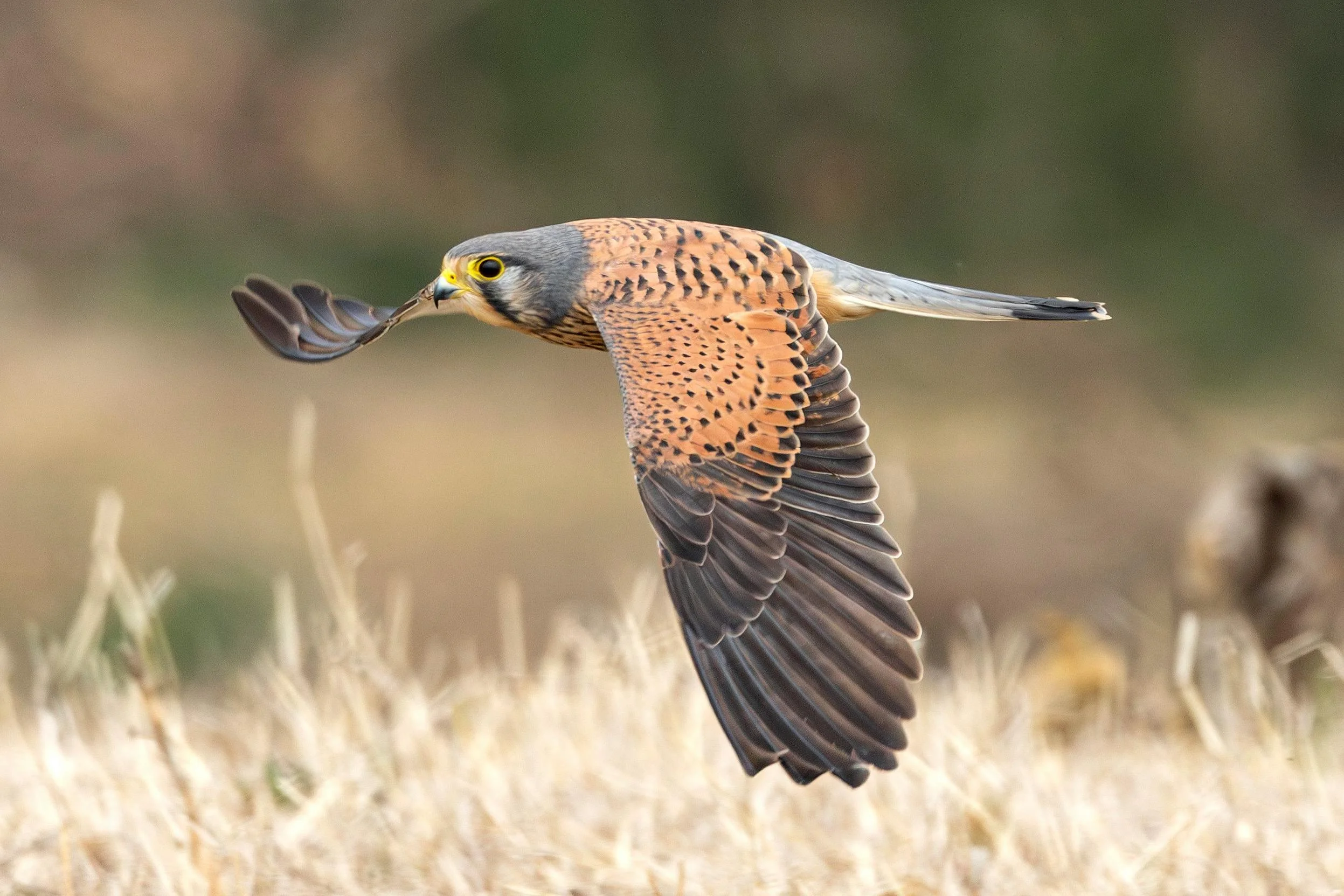
There is nothing accidental about a falcon.
When it appears—cutting cleanly across the sky or resting in regal stillness along coastal cliffs—it carries an unmistakable presence. Every movement feels deliberate. Every pause, intentional. Across centuries and civilizations, humans have looked to the falcon not simply as a bird of prey, but as a living symbol of focus, mastery, and sovereign power.
The falcon does not wander. It knows exactly where it is going.
In motion, the falcon becomes a study in precision. The peregrine falcon, the fastest animal on Earth, reaches astonishing speeds in its dive—yet speed alone is not its defining trait. What truly sets the falcon apart is control. It waits, watches, and strikes only when timing and alignment are perfect.
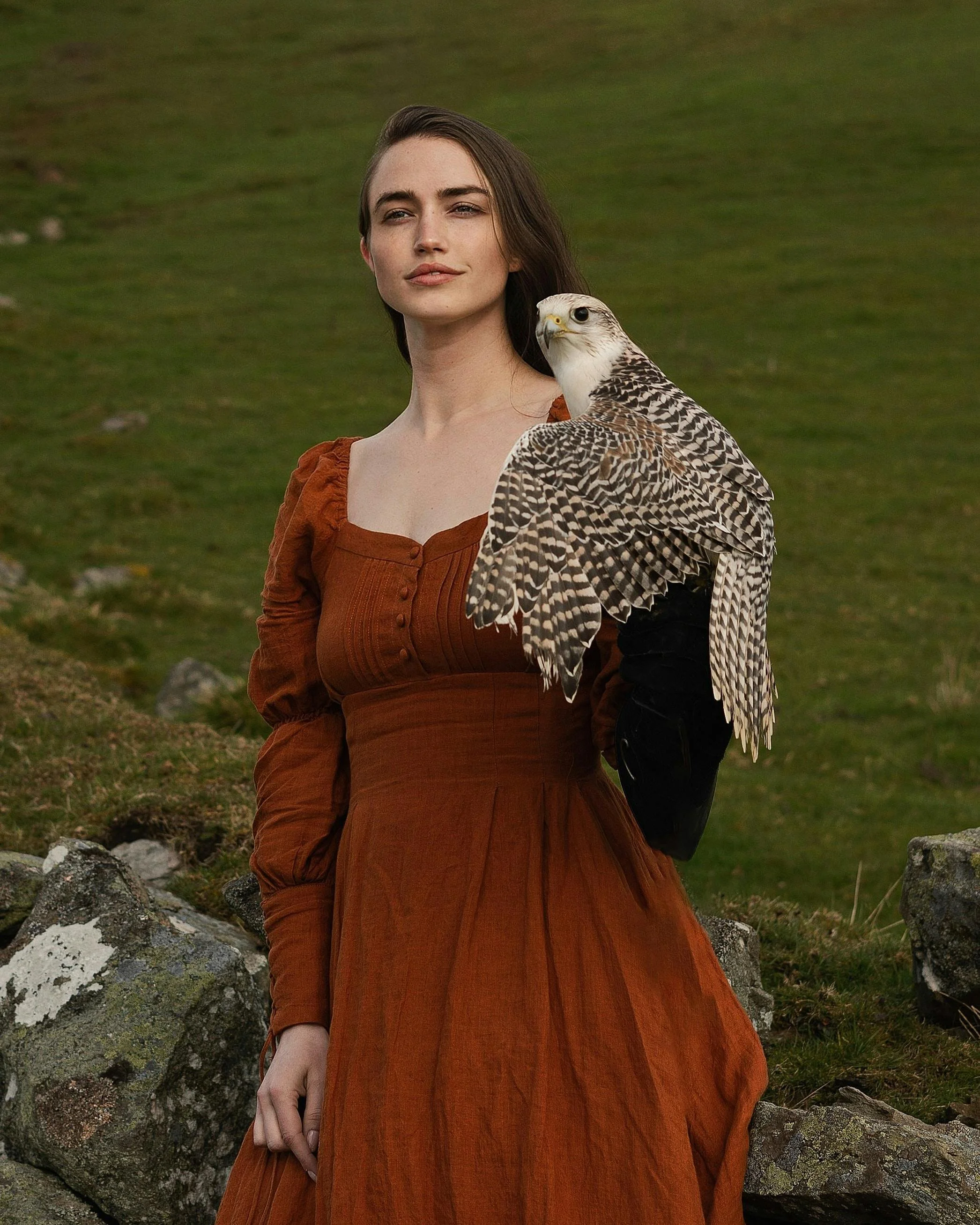
Symbolically, the falcon represents decisive action guided by clarity. It reminds us that true momentum is not frantic, but focused—that success comes when preparation meets the exact moment of opportunity.
The falcon’s vision sharpens this symbolism even further. From extraordinary heights, it sees details invisible to others. This ability has long been associated with mental clarity, strategic intelligence, and truth unclouded by illusion.
To encounter a falcon is often interpreted as an invitation to rise above distraction—to see the larger picture while remaining attentive to what truly matters. The falcon does not waste energy on noise. It chooses its target with precision and commits fully.
Throughout history, falcons have stood beside rulers, warriors, and visionaries. In ancient Egypt, the falcon was sacred to Horus, the sky god of protection and divine kingship, symbolizing leadership aligned with cosmic order. In medieval Europe, falconry was the privilege of royalty, reinforcing the bird’s association with authority earned through discipline and skill rather than brute force.
These traditions echo a shared belief: power is most effective when it is refined.
Yet the falcon’s strength is not rooted in dominance alone—it is grounded in mastery. Falcons hunt alone, relying on training, instinct, and self-control. Every movement is purposeful. Every strike reflects preparation.
As a symbol, the falcon embodies personal sovereignty—the idea that freedom is not aimlessness, but self-command. It teaches that independence flourishes when discipline is embraced, and that excellence is built through practice rather than chance.
Because falcons are so striking, their presence rarely goes unnoticed. Many people report seeing them during moments of decision or transition—times when focus, courage, and commitment are required.
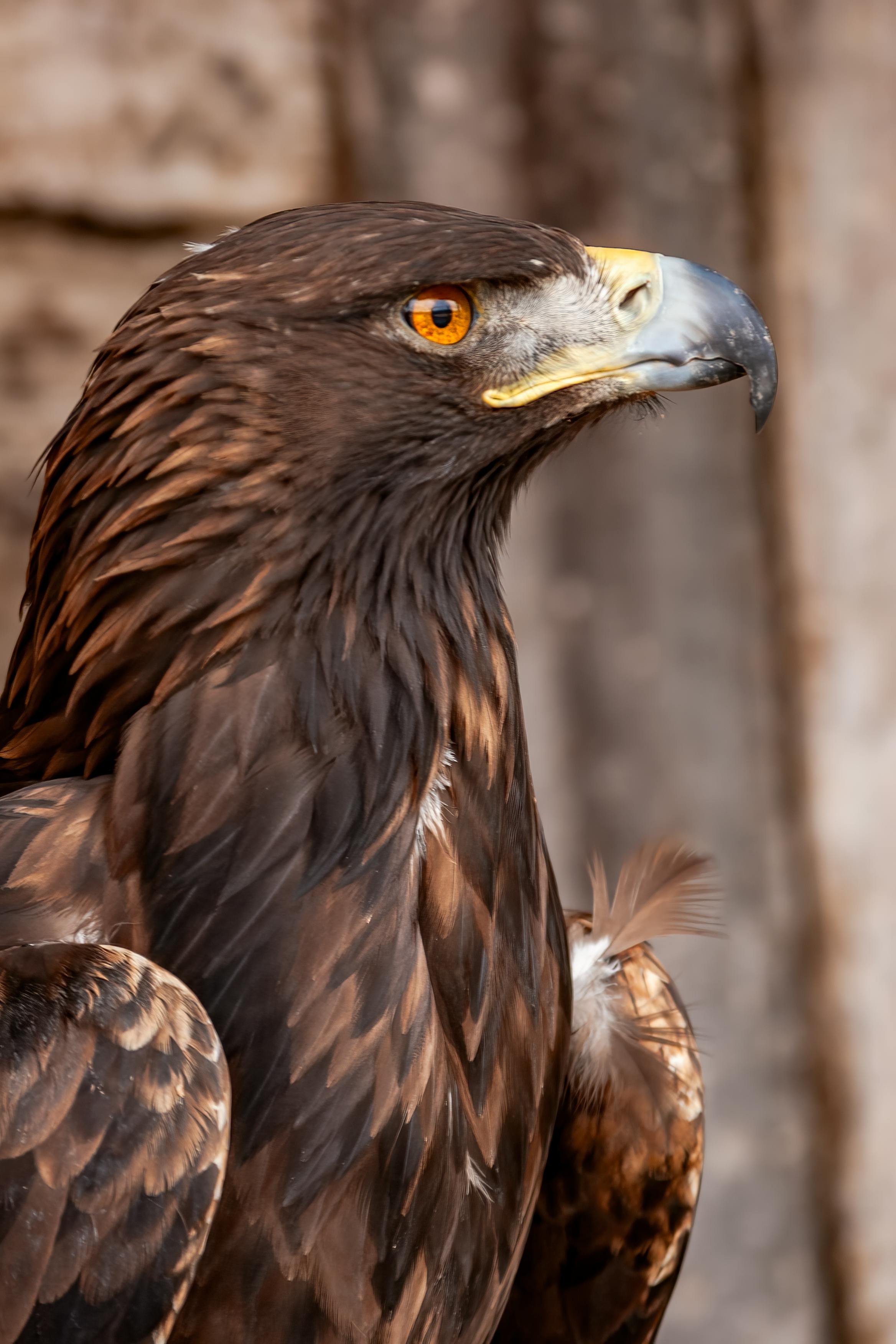
Symbolically, a falcon sighting is often understood as a quiet directive: eliminate distraction, trust your abilities, and move forward with confidence. The falcon does not hesitate once the moment arrives.
The falcon waits with patience.
It sees with clarity.
It acts with precision.
Its symbolism reminds us that power begins with focus, freedom grows from mastery, and purpose reveals itself through decisive action. Whether encountered in the wild or reflected upon as an enduring symbol, the falcon invites us to rise higher, think sharper, and commit fully to the path before us—moving through life with elegance, intention, and strength.