
Richest Small Town? Only If You Arrived Late! By Dana Graham President of the Palos Verdes Historical Society
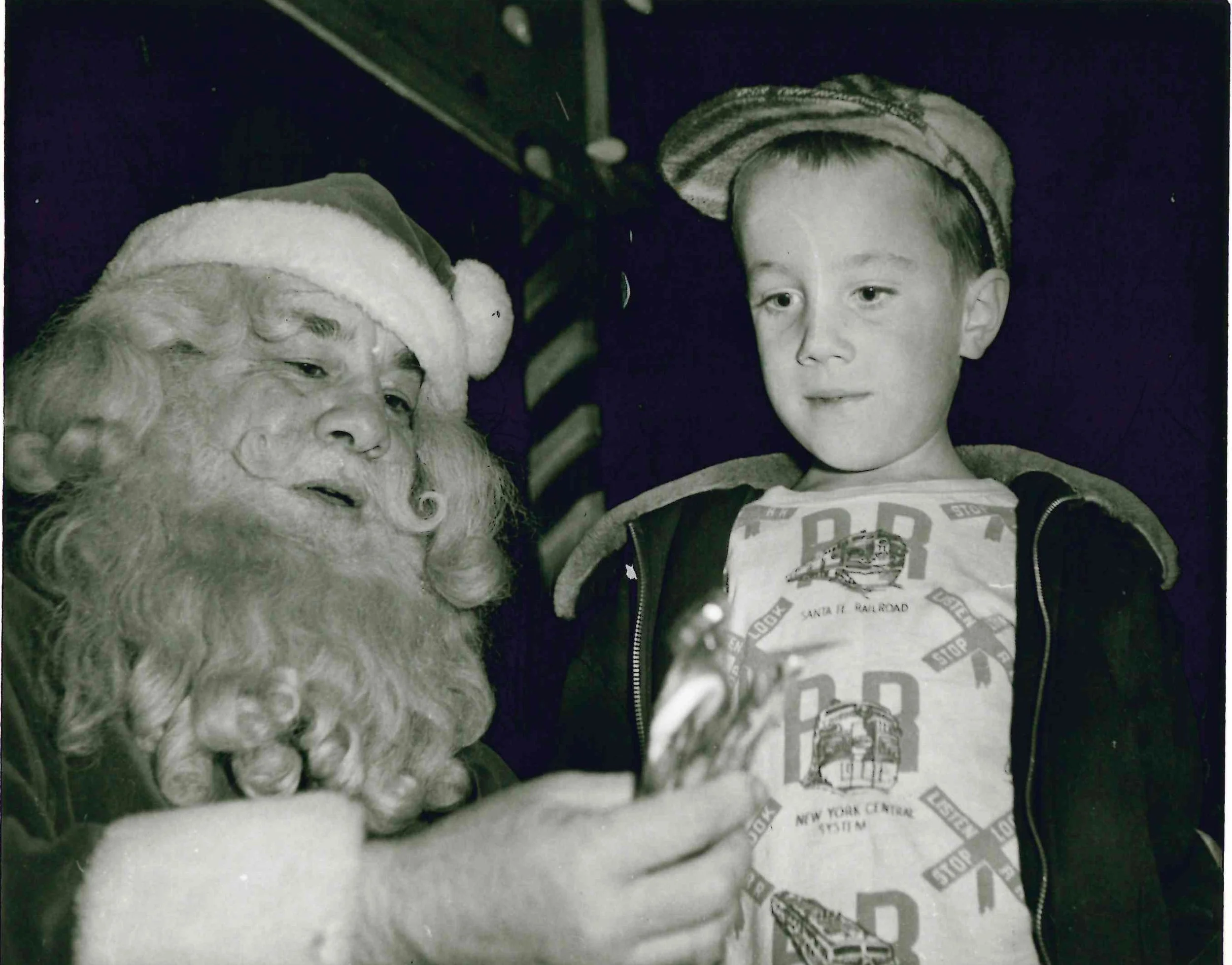
Visiting Santa in Malaga Cove Plaza about 1957
I'm sure many of you who are online saw this article about Palos Verdes Estates being the "richest small town" in California. I'm sure there are lots of criteria for coming to this conclusion, but speaking as someone who has lived here since just after World War 2, I can tell you that this wasn't always the case.
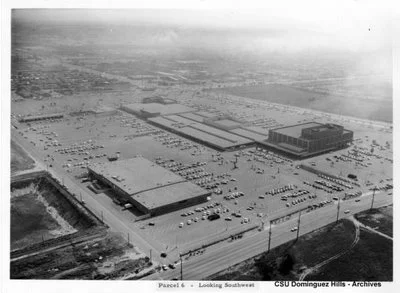
Overhead view of Del Amo Mall about 1960
When we moved here most of the streets that existed were unpaved and most that exist today, didn't in 1947. It was kind of a toss-up whether you wanted to live in PV or Torrance. Torrance was closer to work, had sewers, and had trash pick-up. PV had none of that, and many of the water pipes were still made of wood, imparting a lovely brown hue to the tap water. You took your trash over to the erstwhile Great Lakes Carbon mine, which had closed right after the War and became an LA County landfill. It is now the South Coast Botanic Garden, but that was a big canyon in the 1950's.
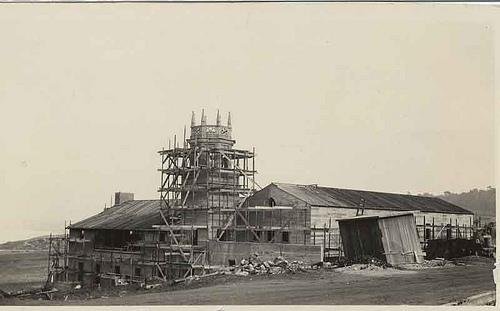
Malaga Cove School under construction 1925
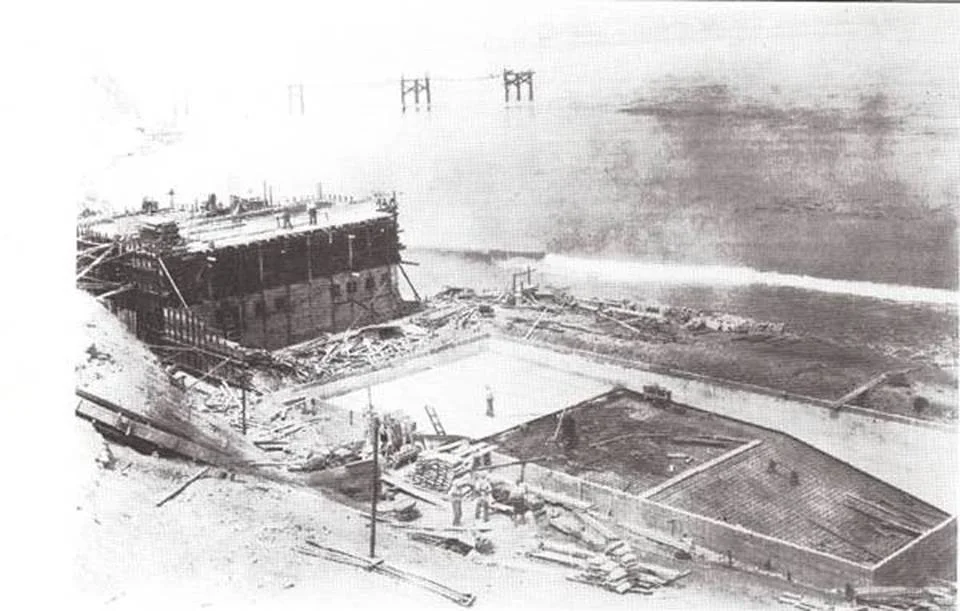
PV Pool under construction 1929
Prior to 1957 Palos Verdes Estates was the only city on the Peninsula and the rest of the Hill was very sparsely populated. Generally if you lived in PVE you shopped in Redondo Beach -- there was no real shopping on the Hill until the Peninsula Center was put in beginning in 1961. What became Del Amo Mall was essentially a strip mall in the '50's with Lake Walteria across Hawthorne Blvd.
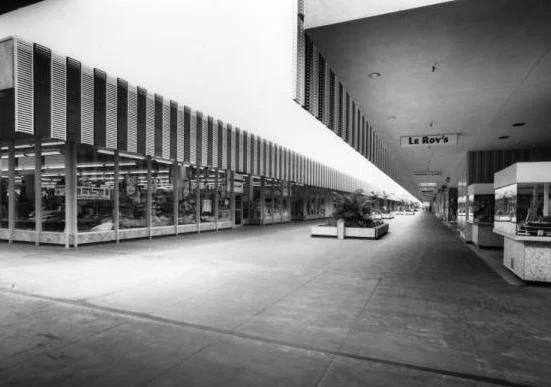
Del Amo Mall about 1960
From my perspective, things began to really change in the 1970's, after the freeways were in and people began to discover the delights of living in Palos Verdes.
Today, Palos Verdes may be celebrated for its beauty, stability, and prosperity, but those of us who arrived when the roads were still dirt and the Peninsula felt like a frontier remember a different kind of richness. It was a place shaped by patience, resilience, and the quiet optimism of families willing to trade convenience for open space, ocean air, and possibility. The transformation did not happen overnight; it unfolded slowly, decade by decade, as infrastructure arrived, neighborhoods filled in, and the Peninsula revealed its enduring appeal.
So when headlines declare Palos Verdes Estates the “richest small town” in California, it is worth remembering that its true wealth was built long before the accolades—with the foundation laid by people who believed in what this place could become. In that sense, Palos Verdes has always been rich, not just in dollars, but in history, perseverance, and the shared memory of a community that grew up together.
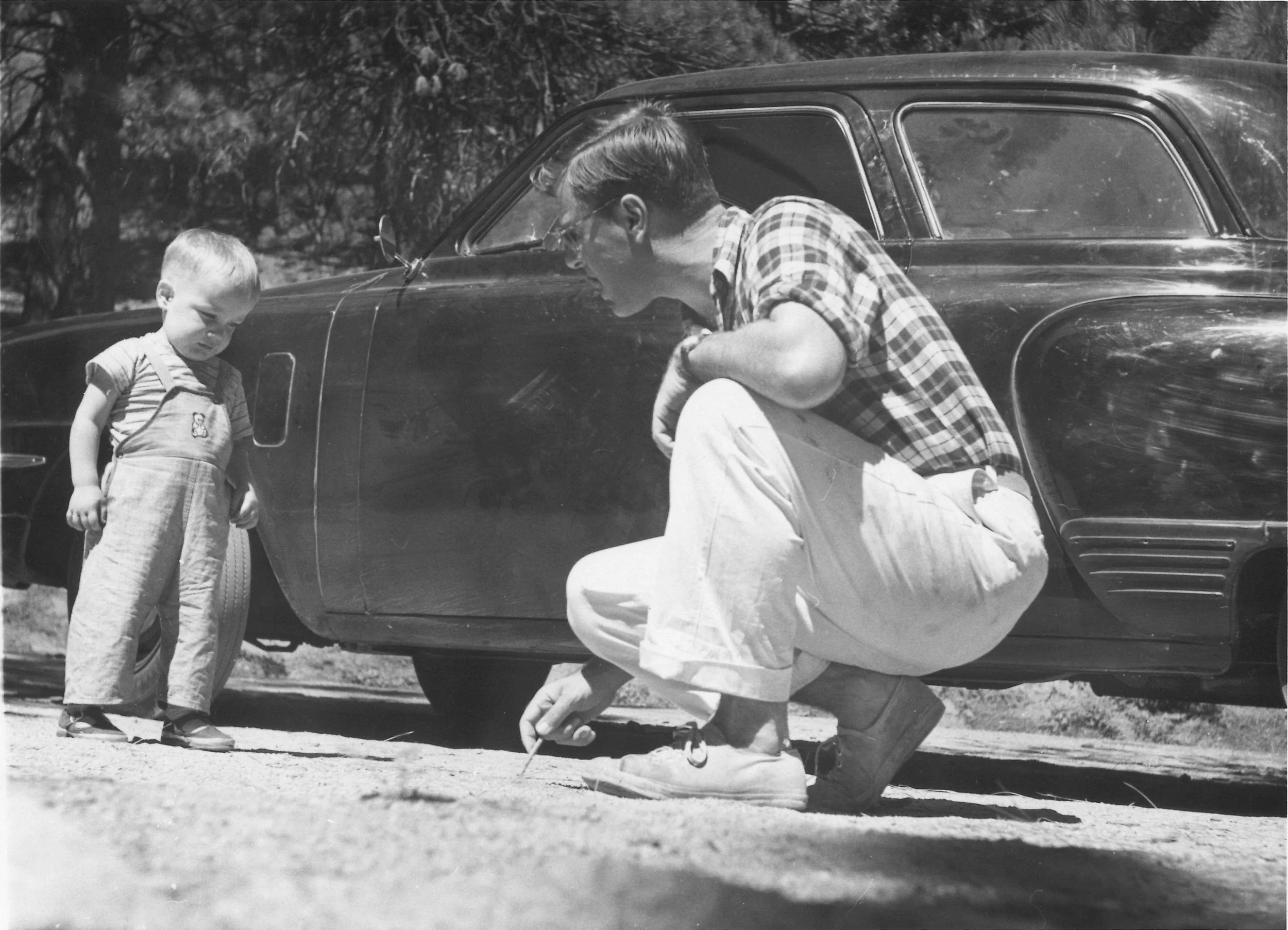
With my dad in the driveway of our new Valmonte house about 1950
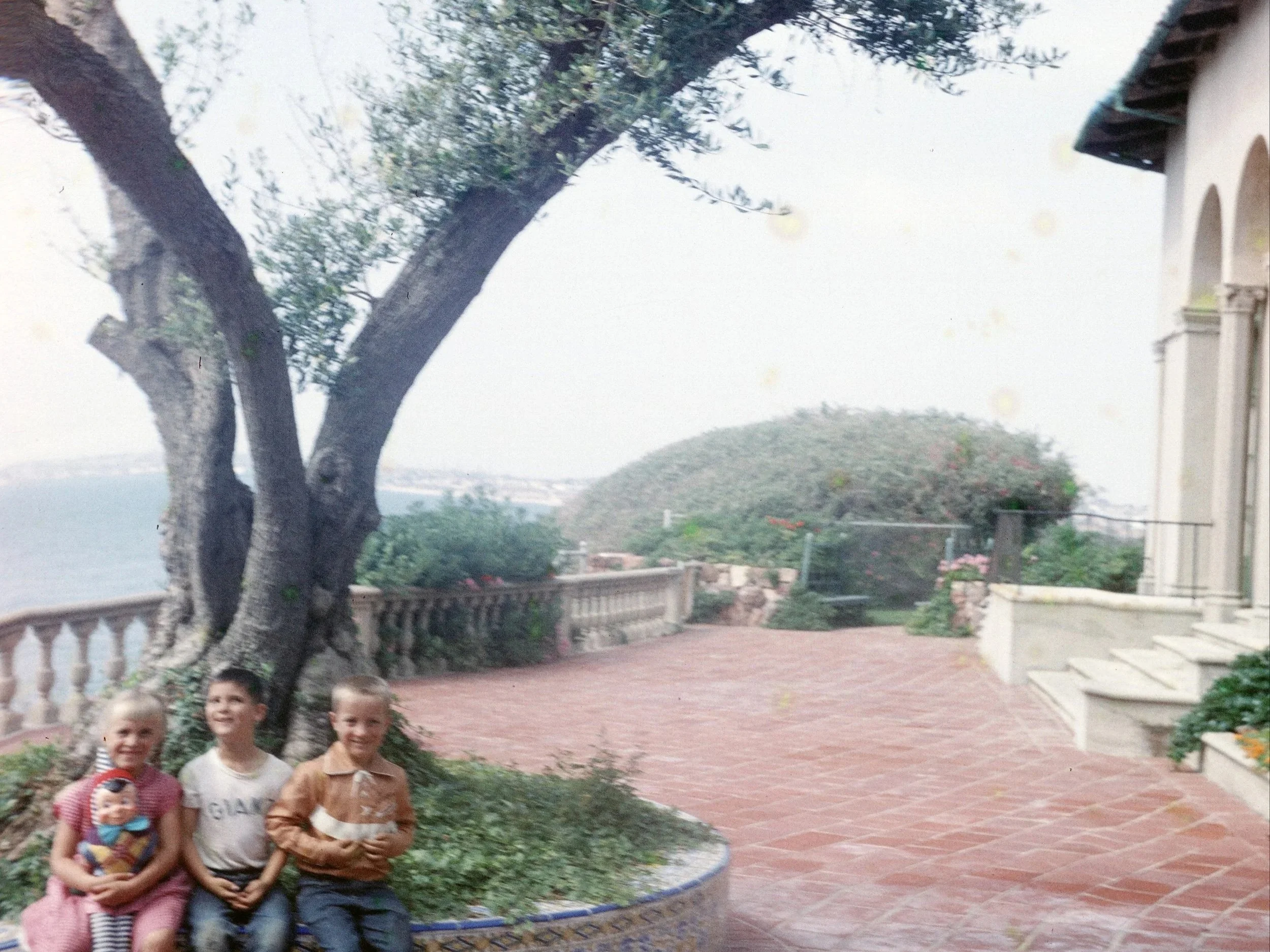
Neighborhood Church patio 1956
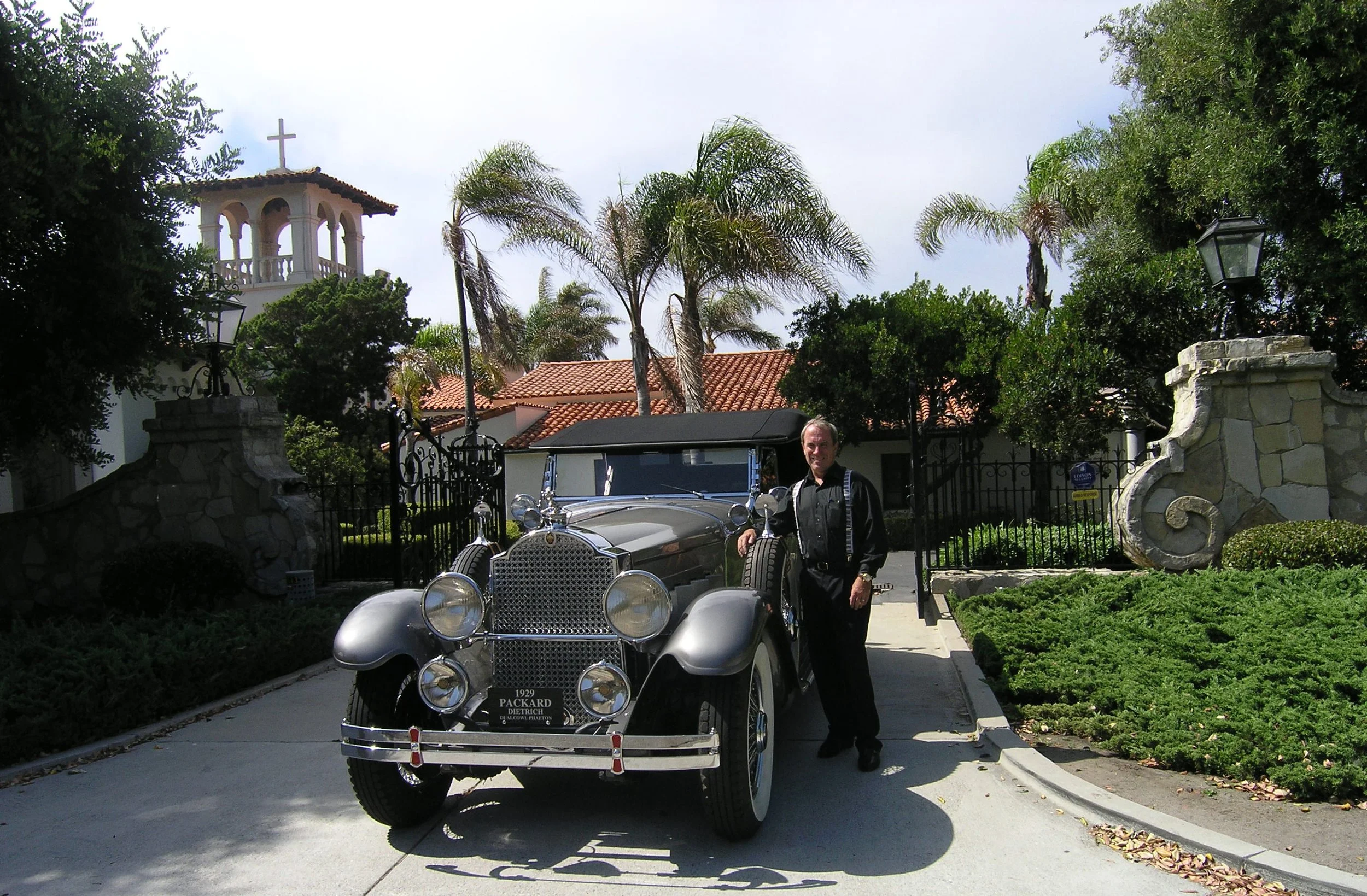
Dana Graham, real estate expert, historian, PV Native and you can find Dana at www.danagraham.com
Dana is President of the Palos Verdes Historical Society.