
The Magic of Sensory Play: Why Squishies & Plushies Matter By Contributor Annamarie von Firley

In today’s digital world, kids are surrounded by screens from the moment they wake up to the time they go to bed. Between online classes, TV, and mobile games, many children are missing out on something incredibly important– hands-on, sensory play. But there’s real science behind why simple, tactile play things like squishies or plush toys can have lasting benefits for development, learning, and emotional health.
What Exactly Is Sensory Play?
Sensory play refers to any activity that engages the senses– touch, sigh, sound, smell, or even taste. It’s how children explore and understand their world. Whether it’s squeezing a soft squishy toy, running fingers through sand, or cuddling a plush animal, these experiences activate the brain in ways screens never could.
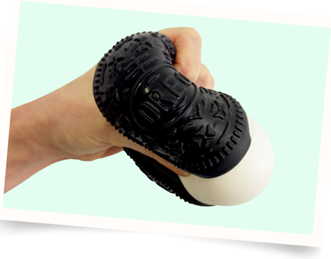
According to the University of Connecticut’s early childhood program, sensory play helps children build neural pathways that support language development, problem-solving, and fine motor skills[1]. It also helps kids learn through experimentation and discovery, which strengthens curiosity and focus.
How Sensory Play Helps Children Grow
When children explore textures, shapes, and materials, they’re not just playing – they’re learning how to think critically and engage all areas of their brain. The Cleveland Clinic explains that sensory play promotes motor skills, cognitive development, and emotional regulation [2]. Activities that involve touch, movement, or sound allow children to process experience in a healthy and develop stronger attention spans.
Research also shows that sensory places encourage creativity and cooperation. Community Plaything reports that when children engage in open-ended sensory play, they build social-emotional skills, learn to share ideas, and problem-solve with others [3]. These hands-on experiences give kids a deeper sense of confidence and control – something screens can’t provide.
A study highlighted by Frontiers in Education also found that children who use multi-sensory toys, such as squishies or textured plush animals, stay more engaged and focused compared to those using traditional toys [4]. This suggests that sensory-rich play can improve how kids learn and interact with the world around them.
Calming and Emotional Benefits
Sensory Play isn’t just educational – it’s therapeutic. The Cleveland Clinic notes that sensory activities, like squeezing or touching soft textures, have a calming effect and can help regulate emotions and stress levels [2].
A study from SUNY Cortland also found that teachers observed better behavior and mood when children were given access to sensory material[5]. In other words, when kids have the opportunity to play with tactile objects, they're more relaxed, focused, and emotionally balanced.
Soft toys like squishies and plushies provide gentle sensory input that can soothe anxiety or overstimulation. They’re perfect for children who may struggle with emotional regulation or attention – a comforting, hands-on way to find calm in the middle of a busy day.
Squishies and plushies might look simple, but they’re powerful learning tools. Here’s why:
1. They’re accessible and low-mess:
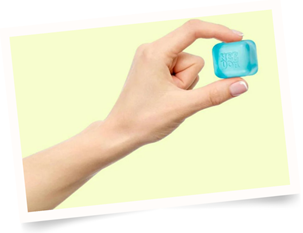
No sand, glue, or water needed – just soft, portable fun. This Baby Nice Cube sensory toy packs all the satisfying squish you’ll ever need on the go for your child.
https://www.adventuretowntoys.com/baby-nice-cube-sensory-toy.html
2. They strengthen fine motor skills:
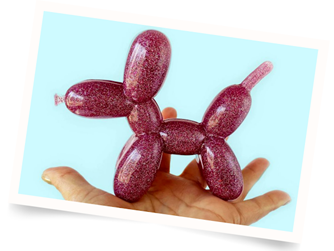
Squeezing or cuddling builds hand muscles and coordination. This glittery balloon dog squishy is a great sensory toy! You can stretch it, squish it, and cuddle with it without making a mess while looking super adorable.
https://www.adventuretowntoys.com/squishy-balloon-dog.html
3. They offer comfort and connection:
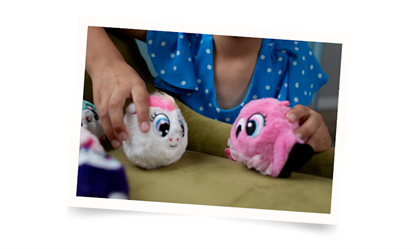
Plushies can serve as emotional anchors, providing a sense of security during stressful moments. These plush balls bounce really high and are cuddly to boot! Luna, the unicorn, is super soft and soothing to touch. Perfect for both sensory, physical, and imaginative play.
https://www.adventuretowntoys.com/bouncibles-luma.html
4. They inspire imagination:
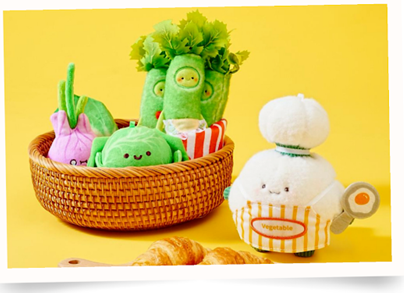
Kids can use them in storytelling, pretend play, or quiet time — all while engaging their senses. These cute vegetable plushies can definitely fill up a story book, full of character and face expression, your kid will never get tired of them.
https://www.adventuretowntoys.com/Plush.html
Bringing Sensory Play Home
You don’t need expensive materials to create sensory experiences. A small basket filled with soft fabrics, squishies, or textured toys can make a big difference. Encourage your child to describe what each object feels like — smooth, bumpy, or fuzzy — and notice which ones bring calm or excitement.
Just 10 to 15 minutes of sensory play a day can help children reset and recharge. It’s a simple, effective way to unplug and connect — for both kids and parents.
Final Thoughts
At its heart, sensory play helps children make sense of their world. Through texture, color, and touch, they develop emotional strength, creativity, and confidence. Whether it’s hugging a plushie or squeezing a squishy, these simple moments remind us that the best learning often starts with play — and that sometimes, growth comes from the smallest, softest things.
Citations
1. Clinic, C. (2022). What is sensory play? The benefit of you child and ideas. sensory play https://health.clevelandclinic.org/benefits-of-sensory-play-ideas
2. Fan Y., Chong D.K. and Li Y. (2024). Beyond play: a comparative study of multi-sensory and traditional toys in child education, Frontiers in Education https://doi.org/10.3389/feduc.2024.1182660
3. Hantak K. (2017) Sensory play.https://www.communityplaythings.com/resources/articles/sensory-play?
4 .Holt H. (2025) The impact of sensory material on the behavior of children in early childhood education. https://digitalcommons.cortland.edu/honorstheses/23/
5. UConn KIDS (Kids in Developmental Science) and Robarge, M. (2022). The importance of sensory play in childhood.https://kids.uconn.edu/2022/10/21/the-importance-of-sensory-play-in-childhood/

Annamarie von Firley is the President of the beloved Adventuretown Toy Emporium located in Los Angeles. She has a BFA in Wooden Toy Design and Construction from Hampshire College and BFA in Furniture Design from California College of the Arts She was the cofounder and designer of the revered reproduction vintage clothing store, reVamp, for 20 years. Her handiwork has been seen on Broadway and major motion pictures, as well as in the Smithsonian.